
Water Testing & Balancing
Pool Water Testing & Balancing
Professional water testing and correction based on what the pool actually needs — not guesswork.
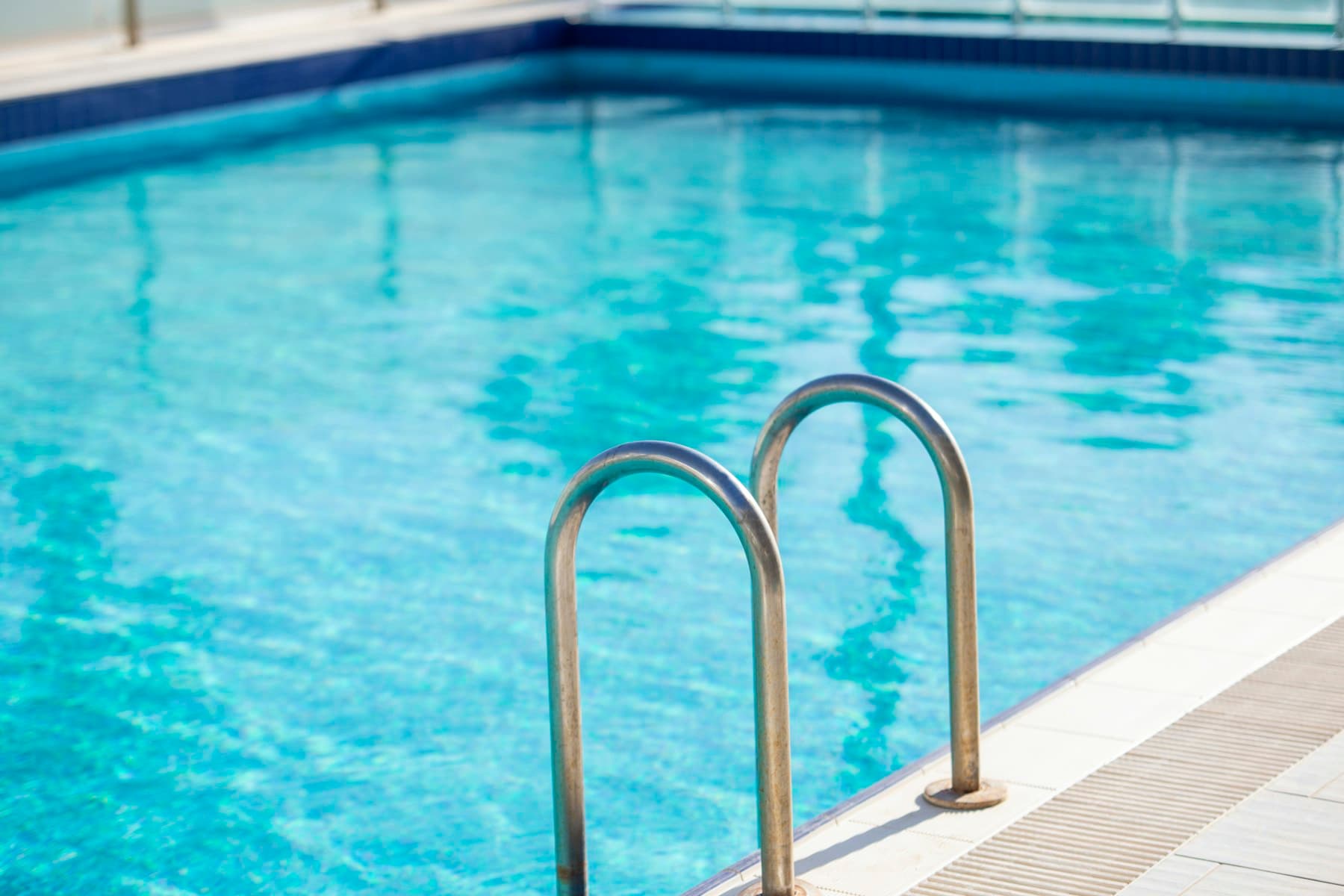
Why Test Before Treating?
Adding chemicals without understanding current water conditions can lead to unnecessary treatment, ineffective correction, or further imbalance. Clear-looking water isn't necessarily correctly balanced water. Professional water care starts with determining what the water actually needs.
What We Test
What We Test
Testing may include the following, depending on the pool and the issue:
Free Chlorine
Primary available sanitiser level.
Total Chlorine
Used alongside free chlorine, where appropriate, to understand chlorine condition.
pH
Indicates how acidic or alkaline the water is.
Total Alkalinity
Helps buffer pH and affects overall water stability.
Calcium Hardness
Relevant to water balance and scale or corrosion considerations.
Cyanuric Acid / Stabiliser
Protects chlorine from sunlight, but needs to stay appropriate for the pool.
Salt
Relevant for salt-water chlorination systems.
Phosphates
Checked where relevant to water condition and treatment approach.
Water Clarity / Condition
Visual condition also matters alongside numerical results.
Not every parameter is tested on every visit — what's relevant depends on the pool and the situation.
Understanding the Main Water Parameters
- Chlorine / Sanitiser
- Helps control bacteria and algae in the water.
- pH
- Affects swimmer comfort, chlorine performance, surfaces and equipment.
- Alkalinity
- Helps stabilise pH so it doesn't swing unpredictably.
- Calcium Hardness
- Too little or too much can contribute to water or surface problems, depending on the pool.
- Stabiliser
- Protects chlorine from sunlight, but excessive levels can reduce treatment effectiveness.
- Salt
- Concentration affects how well a salt chlorination system operates.
Our Process
From Test Results to Correction
Chemical treatment is based on test results, pool volume, pool type, equipment and current conditions — not a universal quantity. Correct dosing depends on the actual numbers for your pool.
- 1
Sample
Assess current water condition.
- 2
Test
Test the relevant parameters.
- 3
Interpret
Read the results together, not in isolation.
- 4
Correct
Make appropriate adjustments based on findings.
- 5
Verify
Recheck where required.
Why Water Balance Matters
- More effective sanitiser performance
- Clearer water
- Better swimmer comfort
- Reduced scale risk
- Reduced corrosive water conditions
- Protection for pool surfaces
- Protection for equipment
- Chlorination systems able to operate as intended
- Fewer recurring water-quality problems
Salt Pools & Chlorination
Salt-water pools still require water testing and balancing. Salt doesn't automatically mean chlorine level is correct — a salt chlorinator uses dissolved salt to generate chlorine, and both the salt level and the chlorinator's output need checking. Checks may include salt level, chlorine production, chlorinator settings, cell condition where relevant, and overall water balance. Manufacturer requirements vary between systems, so there's no single salt level that applies to every pool.
Chlorinator or Cell Issue?
Repairs, Equipment & Installations
For chlorinator faults, salt cell replacement, or equipment not producing chlorine as expected.
Explore Repairs, Equipment & InstallationsWhen to Request Dedicated Water Testing
- Water looks cloudy
- Chlorine levels seem difficult to maintain
- pH keeps moving
- The pool has recently been filled or refilled
- Heavy top-up water has been added
- Visible scale or deposits are appearing
- The water feels uncomfortable
- Salt chlorinator performance seems unusual
- Algae keeps returning
- You want the water checked before making chemical adjustments
- The pool has been unused or unattended for a while
Water Problems May Have Other Causes
Poor water quality isn't always solved with chemicals. Sometimes the chemistry is only part of the problem — weak circulation, a dirty or restricted filter, pump problems, chlorinator problems, salt cell deterioration, excessive debris, algae load, filtration run time, or how the equipment is configured can all be contributing factors.
Where equipment looks like it's playing a part, that's covered through Repairs, Equipment & Installations, and where a pool has already turned green, through Green Pool Recovery.
Related Services
Pool Cleaning & Maintenance
For regular ongoing care.
Learn moreGreen Pool Recovery
When algae or poor water condition has become severe.
Learn moreRepairs, Equipment & Installations
When circulation, filtration or chlorination equipment is contributing.
Learn morePool School / Owner Training
For learning basic testing and routine care yourself.
Learn morePool Inspections
Where a broader assessment is required.
Learn more
Frequently Asked Questions
Not Sure What Your Pool Water Needs?
We can test the water, identify what's out of balance and recommend the appropriate next step.